
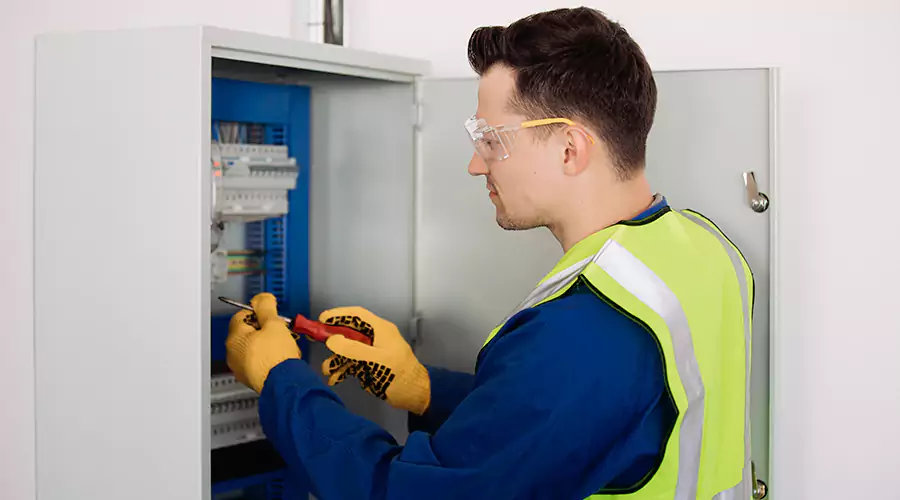
Electrical safety means using your home’s electrical system in a way that prevents fire shock and equipment damage. Regular electrical maintenance services help keep your system safe by identifying potential issues before they become serious. Key steps include avoiding overloaded outlets replacing damaged cords using extension cords only for temporary use and upgrading outdated wiring. You should check outlets for heat and ensure plugs fit securely. Install safety devices such as GFCI outlets in wet areas and test them often. Schedule regular inspections with a licensed electrician to identify hidden risks. Following these steps helps maintain a safe and reliable electrical system.
Why Electrical Safety Matters in Every Home
Electricity powers daily life but unsafe conditions can lead to fires or injury. Many hazards develop slowly and go unnoticed until damage occurs.
How Electrical Hazards Develop Over Time
Wiring insulation can wear down with age and use. Connections can loosen due to heat and vibration. These small changes reduce system stability and increase risk.
How to Avoid Overloading Electrical Circuits
Overloading happens when too many devices draw power from one source. This creates excess heat that can damage wiring.
Practical Ways to Prevent Overload
- Limit devices connected to a single outlet
- Use separate lines for large appliances
- Turn off unused equipment
Why You Should Inspect Power Cords Regularly
Power cords are exposed to daily wear which makes them vulnerable to damage. Regular inspection helps catch problems early.
What Damaged Cords Can Lead To
Frayed insulation exposes internal wires which increases shock risk. Loose plugs can create unstable connections. Replacing damaged cords prevents these issues.
How to Use Extension Cords Safely
Extension cords are designed for temporary use but are often used as permanent solutions. This can lead to overheating and fire hazards.
Safe Use Guidelines
- Use cords rated for the required load
- Keep cords visible and away from heat
- Avoid connecting multiple cords together
Why Proper Outlet Use Is Important
Outlets are designed to handle specific electrical loads. Incorrect use can damage both the outlet and connected devices.
Common Outlet Safety Mistakes
- Forcing plugs into tight spaces
- Ignoring loose connections
- Using damaged outlets
How to Maintain a Safe Electrical Panel
The electrical panel controls how electricity flows throughout your home. Keeping it in good condition is essential for safety.
What to Monitor at the Panel
- Check for signs of heat discoloration or unusual smells
- Ensure breakers are clearly labeled
- Keep the area around the panel clear
Why Ground Fault Protection Is Necessary
Ground fault protection devices shut off power when unsafe conditions occur. This prevents serious electrical shock.
Where Ground Fault Protection Is Required
- Kitchens where water is present
- Bathrooms with high moisture levels
- Outdoor outlets exposed to weather
How to Prevent Electrical Fires at Home
Electrical fires often start due to overheating or faulty components. Prevention involves both proper usage and maintenance.
Key Fire Prevention Practices
- Replace damaged wiring immediately
- Avoid overloading outlets
- Use bulbs with correct wattage
Why Lighting Safety Should Not Be Ignored
Lighting systems can become hazardous if not maintained properly. Proper use reduces risk and improves performance.
How to Maintain Safe Lighting
- Use the correct bulb type for each fixture
- Replace fixtures that show signs of wear
- Clean fixtures regularly to prevent dust buildup
How to Protect Your Home From Power Surges
Power surges can damage electronics and reduce appliance lifespan. Protection methods help maintain system stability.
Effective Ways to Reduce Surge Damage
- Install surge protectors for sensitive devices
- Consider whole home surge protection
- Disconnect electronics during severe storms
Common Electrical Hazards and Prevention Guide
Understanding common hazards helps you take action before problems occur.
| Hazard | Cause | Prevention |
|---|---|---|
| Overloaded outlets | Too many devices | Distribute electrical use |
| Damaged cords | Wear over time | Replace cords promptly |
| Faulty outlets | Loose connections | Install new outlets |
| Old wiring | Aging materials | Upgrade wiring |
| Power surges | Voltage spikes | Use surge protection |
Why Regular Electrical Inspections Are Important
Inspections help detect hidden issues that are not visible during daily use. Regular checks improve safety and reliability.
What an Inspection Can Reveal
An inspection can identify worn wiring overloaded systems and outdated components. Early detection helps prevent costly repairs and safety hazards.
How to Handle Electrical Emergencies Safely
Electrical emergencies require quick and careful action. Knowing what to do reduces the risk of injury.
Steps to Take During an Emergency
- Turn off power at the panel if safe
- Avoid contact with exposed wires
- Seek professional assistance immediately
What Safety Devices Every Home Should Have
Safety devices provide protection against common electrical risks. Installing them improves overall safety.
Essential Devices for Protection
- Smoke detectors for fire alerts
- Carbon monoxide alarms for gas detection
- Ground fault protection outlets for wet areas
How to Keep Children Safe Around Electricity
Children may not understand electrical dangers. Taking precautions helps create a safer environment.
Simple Safety Measures
- Use outlet covers to block access
- Keep cords out of reach
- Teach children basic safety rules
Why Upgrading Old Electrical Systems Improves Safety
Older systems often cannot handle modern electrical demand. Upgrading improves both safety and efficiency.
Signs Your System Needs an Upgrade
- Frequent breaker trips
- Flickering lights
- Outdated panel or outlets
How Weather Conditions Affect Electrical Safety
Weather can impact electrical systems especially during storms or high humidity. External factors can create additional risks.
Weather Related Electrical Risks
- Water exposure near outlets
- Power surges during storms
- Damage to outdoor wiring
Why Energy Usage Awareness Improves Safety
Understanding how your home uses electricity helps prevent overload and system stress. Managing usage reduces risk.
How to Manage Electrical Usage
- Spread usage across different circuits
- Avoid running multiple high demand appliances together
- Monitor energy consumption patterns
Understanding Electrical Safety Services
Electrical safety services are designed to evaluate the condition of a home's electrical system and identify potential hazards before they become serious problems. A comprehensive inspection typically examines electrical panels, wiring, outlets, switches, grounding, and other key components to assess overall safety and code compliance.
Based on the inspection results, recommended improvements may include repairs, electrical upgrades, or other safety measures to address identified issues. Following current electrical codes and best practices helps reduce potential risks, improve system reliability, and support safe electrical performance over the long term.
Why Professional Help Improves Electrical Safety
A trained professional can identify issues that are not visible. Proper repair ensures safe and long term performance.
Benefits of Professional Service
- Accurate diagnosis of problems
- Safe repair methods
- Compliance with electrical codes
Final Takeaway for Homeowners
Electrical safety depends on awareness and consistent maintenance. Simple actions such as avoiding overload inspecting cords and using safety devices reduce risk.
Regular electrical inspections and preventive maintenance help identify potential issues early, improve overall system safety, and support reliable electrical performance for the long term.